Bioidentical Hormone Therapy for Perimenopause: Why It's Never One Size Fits All

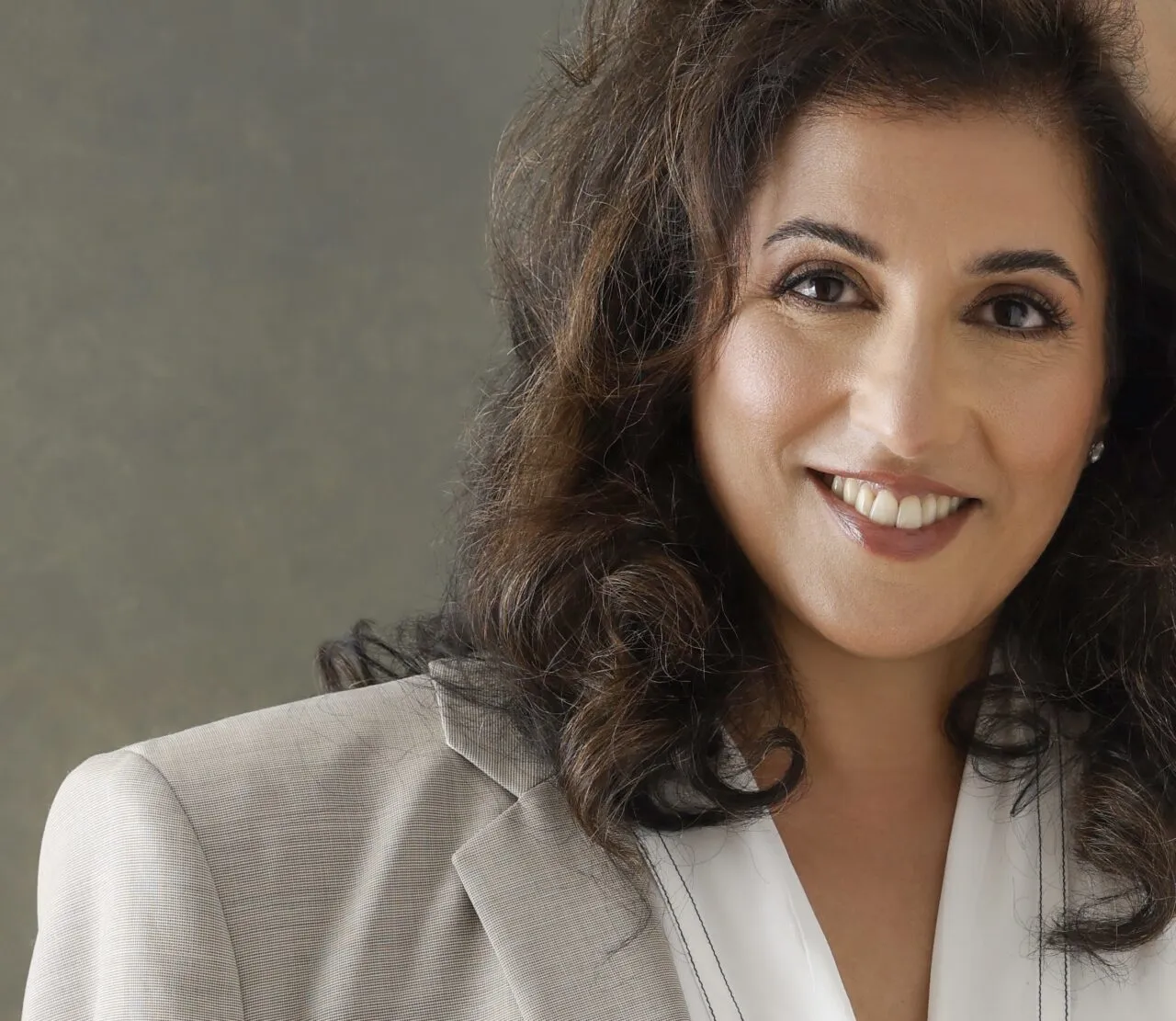
Dr. Nooshin K. Darvish

Quick Article Summary
Knowing the research on hormone therapy timing is only half the picture. The other half is you. Dr. Darvish explains what bioidentical actually means, the difference between FDA approved and compounded bioidentical hormones, why she has prescribed cBHT for over 30 years, and answers the most common questions about BHRT and fasting in perimenopause.
In previous blog of this series, I walked through why timing has become the most important word in the hormone therapy conversation, and why estrogen’s protective effects reach far beyond hot flashes into your bones, your heart, and your brain. If you haven’t read that piece yet, it’s worth starting there. But knowing the research is only half the picture. The other half is you, specifically, sitting across from me in my office, asking whether bioidentical hormone therapy is right for your perimenopause symptoms.
Perimenopause Hormone Therapy Still Isn’t One Size Fits All
I want to be honest with you: none of the research on timing means hormone therapy is right for every woman, or that timing alone erases risk. Your personal and family health history, the type of hormone used (bioidentical versus synthetic), the route of administration, and your individual risk factors all matter, a lot.
This is precisely why hormone therapy at Holistique Medical Center is never handed out from a chart. It’s built around your labs, your history, and an ongoing conversation with a physician, myself or one of my colleagues, who is actually paying attention to how your body responds. You are not a statistic from 2002. You’re a woman with a specific story, and your plan should reflect that.
What Is Bioidentical Hormone Therapy?
This is probably the question I get asked most after “is it safe”: “Should I be on bioidentical hormones?” So let’s clear up what that term actually means, because it gets used loosely, and the loose usage causes a lot of confusion.
Bioidentical simply means the hormone is molecularly identical to the estrogen, progesterone, or testosterone your own body makes, as opposed to a synthetic hormone with a different molecular structure (like the medroxyprogesterone acetate used in the original Women’s Health Initiative trial). That’s it. It’s a chemistry term, not a brand or a philosophy.
Here’s the part that surprises most patients: many bioidentical hormones are FDA approved. Estradiol patches, gels, and pills, along with oral micronized progesterone, are bioidentical and manufactured under FDA oversight, meaning they’re tested for purity and consistent dosing. Separately, there’s compounded bioidentical hormone therapy, often called cBHT, which is custom mixed by a compounding pharmacy to an individualized dose or combination. Compounded preparations aren’t FDA reviewed for safety or potency the way manufactured products are, which is why major medical bodies, including The Menopause Society, the American College of Obstetricians and Gynecologists, and the Endocrine Society, all caution that compounded bioidentical hormones shouldn’t be used routinely as a substitute for FDA approved options when a comparable one exists, and that dosing based on saliva or serial saliva and serum hormone testing isn’t considered a reliable way to guide therapy.
None of that means compounded options are never appropriate. Sometimes a patient needs a specific dose, combination, or delivery route that isn’t available commercially, or has a documented allergy to an inactive ingredient in the FDA approved version. But it does mean bioidentical by itself isn’t a safety guarantee, and it isn’t automatically superior to an FDA approved bioidentical product. What actually matters is the same thing I keep coming back to: your labs, your symptoms, and a formulation and route chosen deliberately for you, not a formulation chosen because it’s marketed as natural.
Why I Prescribe Compounded Bioidentical Hormone Therapy (cBHT)
In my own practice, I’ve been prescribing compounded bioidentical hormone therapy for over 30 years, and I still prefer it for many of my patients. Here’s why: compounding lets me microdose a formulation to a woman’s specific labs and symptoms rather than fitting her into one of a handful of fixed, commercially available strengths. It also lets me avoid unnecessary fillers.
A good example is oral micronized progesterone. The FDA approved capsule (Prometrium) is formulated in peanut oil, so it’s outright contraindicated for anyone with a peanut allergy, and it also carries lactose, glycerin, and other inactive ingredients that some of my more sensitive patients simply don’t tolerate well. When a compounding pharmacy I trust prepares progesterone, estradiol, or testosterone without those unnecessary excipients, in a base built for that individual patient, I see fewer allergic or sensitivity reactions and, in my clinical experience, more consistent hormone optimization and symptom relief.
That said, this is my clinical judgment built over three decades of practice, not a substitute for the caution above. The quality of the compounding pharmacy matters enormously, and compounded preparations should still be approached thoughtfully rather than assumed automatically safer just because they’re customized.
Bringing It All Together
Perimenopause is not something to just get through, gritting your teeth until it’s over. It’s a pivotal window, one where the choices you make about food, movement, fasting, and hormone support don’t just ease today’s symptoms. They shape your health trajectory for decades to come. The research increasingly agrees: the earlier you engage thoughtfully with this transition, the more protection you build for your heart, your brain, and your bones.
That is the entire philosophy behind my KHOSH Method™ and my book, The Golden Gate: Unleash Your Feminine Powers to Graceful Aging: healing the body’s systems together, rather than chasing symptoms one at a time. You can explore more of my research, writing, and philosophy at DrDarvish.com.
If hormone therapy sounds like the right next step for you, the natural next question becomes which delivery method fits your life and your labs. I cover that in my next blog of this perimenopause series, Pellets vs. Creams vs. Oral BHRT.
If you’re navigating perimenopause and want a personalized plan for fasting, nutrition, or bioidentical hormone therapy, connect with our naturopathic physicians at Holistique Medical Center for a comprehensive hormone and nutrient evaluation, and explore our physician formulated KHOSH supplement line at Shop.Holistique.com.
Frequently Asked Questions About Bioidentical Hormone Therapy and Fasting in Perimenopause
What is the difference between bioidentical and compounded bioidentical hormone therapy?
Bioidentical describes the hormone’s molecular structure, identical to what your body naturally produces. Many bioidentical hormones (like estradiol patches and oral micronized progesterone) are FDA approved and commercially manufactured. Compounded bioidentical hormone therapy, or cBHT, refers specifically to custom formulations made by a compounding pharmacy, which are not FDA reviewed for safety and potency but can be individualized in dose and ingredients.
What are “hormone seizures”?
Hormone seizures is a term I coined in my book, The Golden Gate, describing the sudden, unpredictable surges and crashes of estrogen and progesterone during perimenopause. This is part of why fasting and hormone therapy both require a more individualized approach in perimenopause than in other life stages: the hormonal environment isn’t gradually declining, it’s swinging.
Is intermittent fasting safe during perimenopause?
It can be, but it needs to be approached differently than standard fasting advice, which is based mostly on research in men. Because fasting raises cortisol, women with already fluctuating hormones and high stress levels may see worse sleep, mood, or cycle irregularity with aggressive fasting protocols. A gentler, cycle aware approach, starting with a 12 hour overnight fast, is generally better tolerated.
Does fasting affect hormones in perimenopausal women?
Research specifically on perimenopausal women is still limited. Studies in pre- and post-menopausal women have found intermittent fasting may improve insulin resistance and support weight loss without adverse changes in reproductive hormones, but perimenopausal women, who have uniquely fluctuating estrogen and progesterone, remain understudied.
Is hormone replacement therapy (HRT) safe?
For many women, yes, and newer research suggests it may be safer and more beneficial than the 2002 Women’s Health Initiative findings implied, especially when started during perimenopause rather than years after menopause. Safety depends on individual factors like personal and family health history, the type of hormone used, and route of administration, which is why BHRT (bio-identical hormone therapy) should always be personalized with a qualified physician.
When is the best time to start hormone therapy?
Research on the timing hypothesis suggests starting estrogen therapy during perimenopause or within the first several years of menopause offers the greatest protective benefit for heart, bone, and brain health, compared with starting later in life.
What does estrogen actually protect against as we age?
Beyond easing hot flashes and night sweats, estrogen supports bone density, helps keep blood vessels flexible, supports brain function and neuroplasticity, maintains healthy mitochondrial function and may play a role in slowing cellular aging processes like telomere shortening.
This blog is for educational and informational purposes only and is not intended to provide medical advice, diagnosis, or treatment. Hormone therapy is available by prescription and requires individualized medical evaluation. Please seek the advice of your personal physician before starting any new therapy.
References
Full citations for the Women’s Health Initiative, ELITE trial, and other studies referenced above are listed in previous blog of this series. Below are sources specific to bioidentical hormone therapy guidance and the fasting research discussed here.
-
Kalam F, Cienfuegos S, Ezpeleta M, et al. Effect of time restricted eating on sex hormone levels in premenopausal and postmenopausal females. Obesity. 2023. https://doi.org/10.1002/oby.23562
-
Alkhulaifi F, Darkoh C. Meal timing, meal frequency and metabolic syndrome. Nutrients. 2022;14(9):1719. https://doi.org/10.3390/nu14091719
-
Al Zunaidy NA, Al Khalifa AS, Alhussain MH, Althwab SA, Mohammed MA, Faris ME. The effect of Ramadan intermittent fasting on anthropometric, hormonal, metabolic, inflammatory, and oxidative stress markers in pre and post menopausal women: a prospective cohort of Saudi women. Frontiers in Nutrition. 2024;11:1437169. https://doi.org/10.3389/fnut.2024.1437169
-
Dandan NT. Impact of Intermittent Fasting on the Mental Health of Perimenopausal Women. Clinical Trial NCT07481513, American University of Beirut Medical Center. https://clinicaltrials.gov/study/NCT07481513
-
The 2022 Hormone Therapy Position Statement of The North American Menopause Society. Menopause. 2022;29(7):767–794. https://doi.org/10.1097/GME.0000000000002028
-
American College of Obstetricians and Gynecologists. Compounded Bioidentical Menopausal Hormone Therapy. Clinical Consensus. 2023. https://www.acog.org/clinical/clinical-guidance/clinical-consensus/articles/2023/11/compounded-bioidentical-menopausal-hormone-therapy
-
Santoro N, Braunstein GD, Butts CL, et al. Compounded Bioidentical Hormones in Endocrinology Practice: An Endocrine Society Scientific Statement. Journal of Clinical Endocrinology & Metabolism. 2016;101(4):1318–1343. https://doi.org/10.1210/jc.2016-1271
About the Author

Naturopathic physician with 30+ years in regenerative and integrative medicine at Holistique Medical Center in Bellevue, WA.
More about Dr. Darvish Book Appointment